
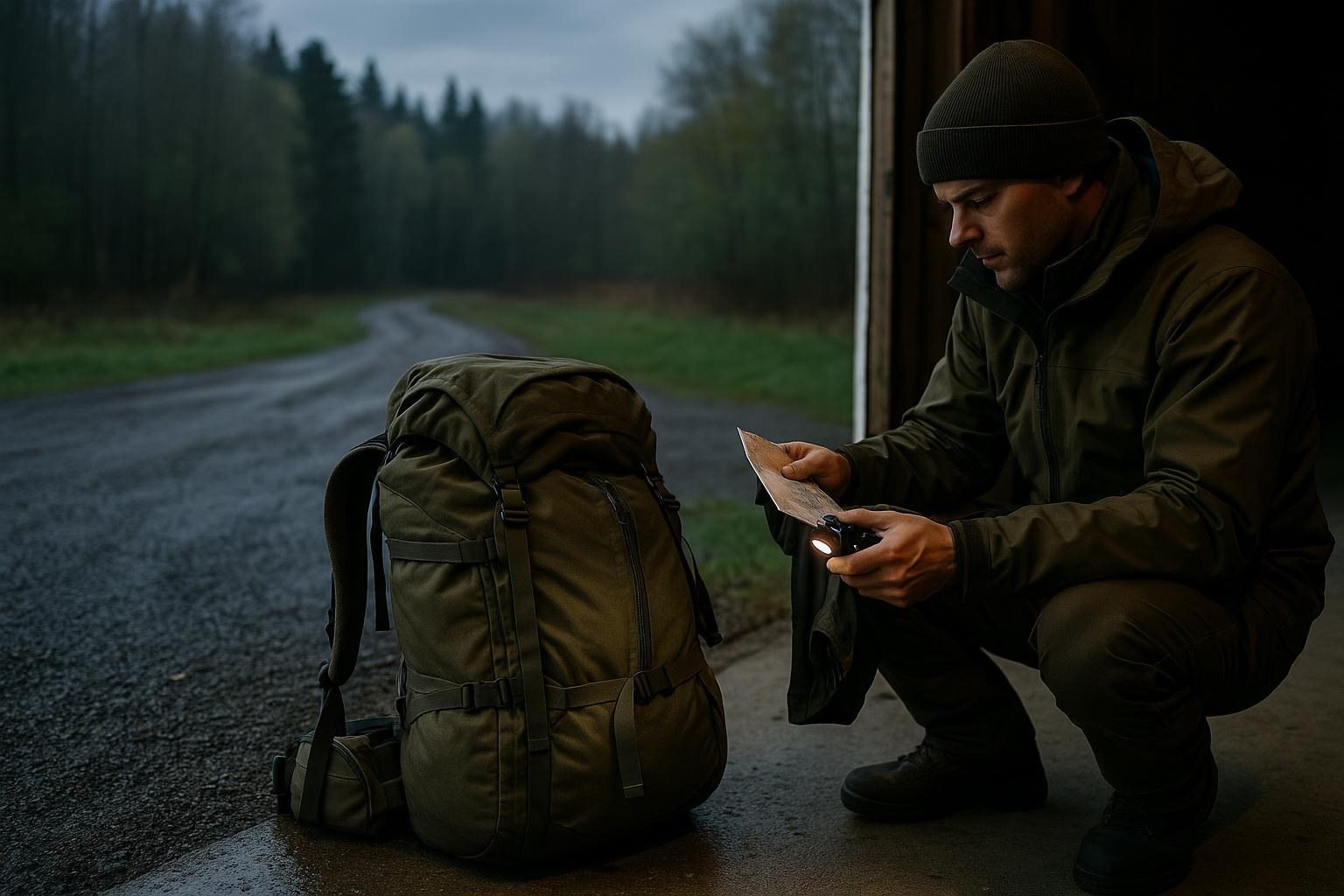
A day can unravel before you reach the first promising trail: a permit detail is unclear, a headlamp has weak batteries, a boot rubs after a mile, or access rules have changed. Good preparation prevents those problems without turning the season into a project. The useful question is not which gear looks most capable, but which habits prevent mistakes, support ethical choices and preserve attention for the conditions ahead.
Turn regulations into a pre-season task
Regulations belong at the start of preparation, not the bottom of a packing list. Seasons, tags, legal methods, access permissions, reporting rules and transport requirements can change, even between nearby areas. Check current official guidance for the exact place and species you intend to hunt, then save or print what you may need when service is poor.
Do not rely on a remembered rule or a friend's summary. Check boundaries, dates, weapon restrictions, required hunter education, blaze-color requirements and special provisions for public or private land. If a rule is unclear, ask the relevant wildlife agency before going afield rather than treating uncertainty as permission.
Keep a short compliance note with license details, access contacts and questions awaiting confirmation. Digital copies are convenient, but paper is sensible when a phone can fail or lose power. This protects the day from an avoidable administrative error.
Test systems, not just individual items
A gear check should reproduce how you will move. Wear the boots, pack, layers and rain shell together, and walk with the load you expect to carry. Look for pressure points, noisy fabric, loose straps and pockets that are hard to reach without removing the pack.
Choosing between a lighter pack and a more supportive one depends on the outing. A lighter setup may suit short trips with a small load and easy access; more support may be worth the weight on longer walks, rough ground or trips requiring water, food and extra clothing. Do not judge an empty pack in a store and assume its fit will remain the same when loaded.
Footwear involves the same tradeoff. Flexible boots may suit maintained trails, while stiffer construction can offer more support on uneven ground. Fit, weather, terrain and the distance back to the vehicle matter more than a feature list. Break footwear in gradually, and replace questionable laces, worn soles or damaged closures before the season creates pressure to use them.
Check overlooked systems: batteries, headlamp operation, knife sharpness, water treatment, first-aid supplies, navigation tools and every pouch closure. Test offline mapping before leaving coverage. Do not modify firearms or other equipment unsafely; follow manufacturer instructions and use a qualified professional for repairs when needed.
Build decisions around ethical limits
Ethical hunting is easier when difficult decisions are made before adrenaline, fatigue or weather narrows judgment. Set personal limits for visibility, shot opportunity, distance, wind, animal identification and the time available to track or recover an animal. The limits depend on the hunter, equipment and terrain, but clear rules are easier to follow than vague intentions.
Practice identification and safe handling, without treating practice as a substitute for field judgment. Know what you are legally allowed to take, and be certain of the target and what lies beyond it. If an opportunity is marginal, passing is a sound decision.
Plan recovery as well. Consider how you would mark the last known location, organize a careful search and contact a partner if the track becomes difficult. Supplies help, but preparation cannot guarantee recovery. A responsible hunter does not take a shot when the likely outcome exceeds the ability to make a prompt, humane recovery.
Let habitat stewardship shape the route
Review access boundaries, seasonal closures, fire restrictions and local requests protecting habitat, nesting areas, water sources or working land. Use permitted routes, close gates, avoid unnecessary vehicle travel and secure food and waste.
Observe without disturbing. Note damaged fencing, invasive plants, erosion, unusual animal behavior or heavy pressure, but do not alter habitat to improve an opportunity. Share sensitive location information carefully; broadcasting precise spots can increase pressure on wildlife and create conflict with landowners or other users.
The best route is not always the shortest one. A longer approach that reduces disturbance, protects a wet crossing or keeps you within legal access may be better. Conservation is expressed through these ordinary decisions, especially when no one is watching.
Use one field checklist, then keep it short
Run through a checklist the day before, then make a final check at the vehicle:
– Current license, tags, identification and required permits
– Confirmed season, boundaries, access permission and special regulations
– Functional equipment suited to the weather and terrain
– Navigation backup, charged communication device and headlamp
– Water, food, suitable layers and basic first-aid supplies
– Weather-change plan, return time and emergency contact
– Recovery, transport and reporting plan consistent with current rules
– Leave-no-trace habits, waste storage and gate or access responsibilities
Do not add every item simply because there is room. Extra gear can slow movement, create noise and hide essentials. But cutting water, weather protection, navigation or communication tools is a poor bargain. Reduce duplication first, not resilience.
Review the day afterward. Note what failed, what stayed unused and which decision felt rushed. Update the checklist, repair the weak point and recheck regulations before the next outing. That cycle of preparation, observation and adjustment makes hunting days smoother while keeping ethics, safety and conservation ahead of convenience.